

Living in Montreal's West Island: Your REALTA Real Estate Guide
The West Island attracts buyers who want more space without leaving the Island of Montreal. But it’s important not to view it as a single entity: between Beaconsfield, Pointe-Claire, Dorval, and Pierrefonds-Roxboro, the atmosphere, pace of life, and real estate market vary significantly from one area to another.
As a real estate agency serving the West Island, REALTA offers you a guide to help you explore this vast area, which encompasses eight towns and two boroughs. Our goal is to help you identify the neighborhood that truly fits your lifestyle and understand the real estate realities that really matter when it comes time to buy.



The West Island at a glance - Overview
- Where is Montreal’s West Island located?
- The History of the West Island
- The cities and boroughs of the West Island
- The independent towns of the West Island
- Montreal’s boroughs in the West Island
- Demographic Profile of the West Island
- Why settle in Montreal’s West Island?
- The West Island: A Leading Real Estate Market
- Comparative Analysis of Montreal’s Real Estate Markets
- The single-family home: still the most popular choice in the region
- West Island, my agency is REALTA!
Where is the West Island located, and how does its geography shape its market?
Located at the western tip of the Island of Montreal, the West Island is a vast area of 150 km² with a population of nearly 238,000. Contrary to the image of a monotonous suburb, the region consists of a mosaic of independent municipalities and Montreal boroughs. For a prospective resident, this unique administrative structure is far from a mere detail: it explains why neighborhood atmospheres, service offerings, tax rates, and real estate market dynamics vary so significantly from one zip code to another.
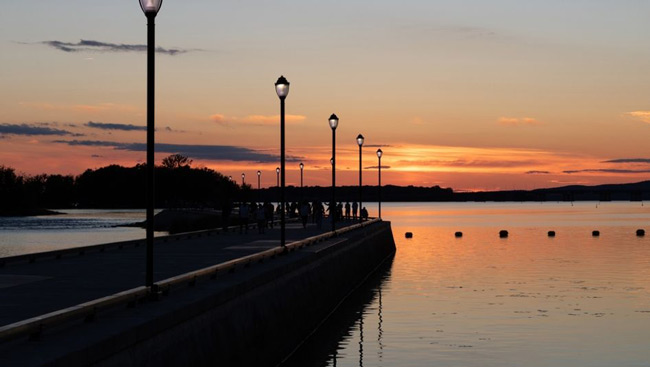
What defines the region’s identity above all else is the omnipresence of water. Bordered by Lake Saint-Louis and the St. Lawrence River to the south, the Rivière des Prairies to the north, and Lake of Two Mountains and the Ottawa River to the west, the area offers a special connection to nature, while remaining firmly rooted on the Island of Montreal.
For someone looking to buy, this exceptional setting is more than just a pretty backdrop. In the West Island, proximity to a navigable waterfront, walking distance to a large nature park, or a neighborhood’s orientation relative to major thoroughfares are fundamental criteria. It is these natural and urban elements that truly dictate the quality of daily life, while directly influencing the market value of each micro-neighborhood.
The History of the West Island: Understanding the Roots of Today's Housing Stock
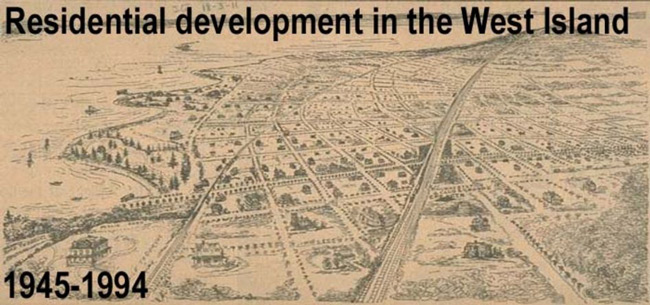
The history of the West Island isn’t just a matter of dates; it directly explains the types of properties you’ll find there today. This area developed in several waves, each leaving a distinct architectural mark on the neighborhoods.
Waterfront charm and resort living
Around Lake Saint-Louis and the Rivière des Prairies, the old village centers (such as Pointe-Claire, Dorval, and Sainte-Anne-de-Bellevue) evoke a time when the area served as a summer retreat for Montrealers. It is in these micro-neighborhoods that one can now find century-old properties, heritage homes, and a rare sense of history.
The boom in large single-family homes
The opening of Dorval Airport and the postwar economic boom transformed the central and northern parts of the West Island. It was this development that gave rise to the sprawling residential neighborhoods of Dollard-des-Ormeaux, Kirkland, and Beaconsfield. Today, these areas feature the famous “split-levels” and large bungalows built on mature lots—properties particularly sought after by buyers looking to renovate.
A bilingual identity forged over time
This industrial and residential development attracted a diverse population, creating a bilingual and multicultural legacy that continues to define the richness of its communities and the reputation of its school system.
Cities and boroughs in the West Island: Which neighborhood suits your lifestyle?
The West Island is distinguished by its administrative structure, which consists of independent municipalities and Montreal boroughs. This diversity allows every homebuyer to find the living environment and type of property that perfectly aligns with their aspirations and budget.
The independent towns of the West Island
Baie-D’Urfé
The quintessential garden city. It is a very niche market, defined by its vast wooded grounds and strict zoning regulations. The deliberate absence of sidewalks on its winding streets preserves a sense of absolute privacy, which is highly sought after by buyers looking for rural tranquility in the heart of the city.
Beaconsfield
The premier luxury market south of Highway 20. The majestic waterfront properties and direct access to yacht clubs (such as Lord Reading) contribute to some of the strongest resale values in the city. It is the choice for a high-end, established lifestyle.
Dollard-des-Ormeaux (DDO)
A paradise for single-family homes. This municipality is extremely popular with families for its spacious split-level homes and its famous Centennial Park. The real estate market here is robust and often offers excellent value for money for those looking to settle down for the long term.
Dorval
One of the industry’s best-kept secrets. Often unfairly judged because of the airport to the north, its residential market south of Highway 20 offers heritage properties and prime access to Lake Saint-Louis, often at a more affordable entry price than Beaconsfield.
Kirkland
A strategic choice. Known for its relatively new housing stock (particularly in the highly sought-after Lacey Green area) and its large, move-in-ready homes. With direct access to major highways and the upcoming arrival of the REM stations, it is now one of the most dynamic markets in the West.
Pointe-Claire
A neighborhood with two distinct sides. The south captivates with the historic Village de la Pointe (home to century-old houses that are jealously guarded), while the center and north offer classic, sturdy bungalows from the 1950s and 1960s—perfect for young families looking to renovate near amenities.
Senneville
Absolute exclusivity. This is the island’s most exclusive niche market. The absence of traffic lights, vast private woodlands, and historic mansions attract a prestigious clientele seeking a private estate rather than just a house.
Sainte-Anne-de-Bellevue
Village life. This is the perfect neighborhood for buyers who want to be able to do everything on foot. Its unique real estate market features a mix of small, renovated historic homes and condos offering breathtaking views of the canal and its lively summer scene.
Montreal's boroughs in the West Island
L’Île-Bizard–Sainte-Geneviève
The feeling of living in the countryside. It’s a unique island community where the expansive waterfront properties and proximity to major golf clubs more than justify the daily drive across the bridge. The heart of Sainte-Geneviève, meanwhile, offers a very distinct village atmosphere and heritage charm.
Pierrefonds-Roxboro
A market of diversity and opportunity. Stretching 27 km along the Rivière des Prairies, this borough offers one of the most diverse housing markets in the West: from large single-family homes bordering nature parks to a wide selection of condos and townhouses. Historically known for its excellent affordability, the area is now experiencing a massive surge in popularity thanks to the expansion of the REM stations, completely redefining its connection to downtown.
Demographics: A Profile of a Region Focused on Family and Space
The Promise of Space (Density)
The West Island has a population density of approximately 1,500 to 1,600 people per square kilometer (compared to more than 4,500 in central Montreal boroughs such as Plateau-Mont-Royal). In practice, this difference translates into larger lots, greater distances between homes, and an abundance of green spaces.
A popular destination for families
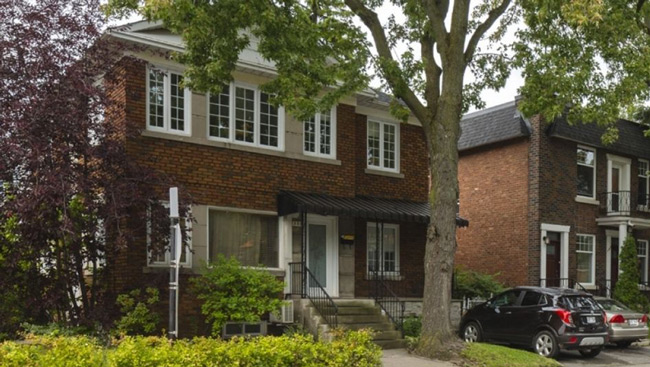
In the northern part of the district, particularly in Pierrefonds-Roxboro, nearly half of all households are families with children (a proportion significantly higher than the island-wide average). This demographic vitality explains the quality and quantity of local youth facilities, ranging from parks to arenas and aquatic centers.
An open and multicultural community
The region is characterized by a long-standing linguistic duality. With an English-speaking majority (about 50%), a sizeable French-speaking community (20%), and a large proportion of speakers of other languages (30%), the West Island offers a stimulating everyday environment, which is also reflected in the diversity of the region’s retail and dining options.
*According to the 2021 census.
Why settle in Montreal’s West Island?
People rarely choose the West Island by chance. Buyers interested in the area are generally looking for a very specific combination: more space, a quieter environment, a good quality of family life, and convenient access to the rest of Montreal. That doesn’t mean that all neighborhoods are the same or that they suit the same types of buyers. That is precisely what makes the West Island so appealing: depending on your budget, your transportation needs, and your lifestyle, the real estate experience will vary significantly from one municipality to another.
Urban planning designed with families in mind
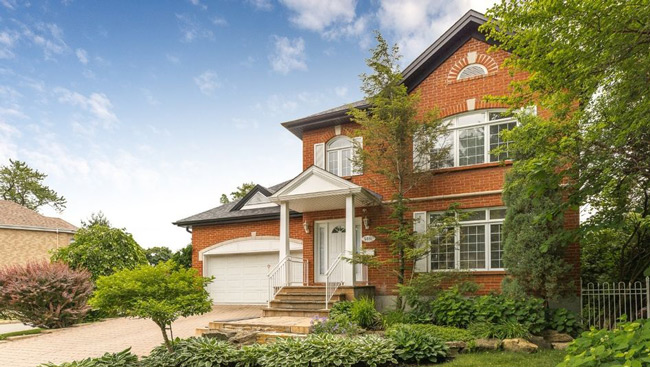
People don’t come to the West Island just to buy square footage; they come for a specific type of urban design. The development of most of these neighbourhoods was designed with families in mind: crescent-shaped streets (limiting through traffic), lots that allow for real backyards, and a layout that almost always places a school or a park within walking distance. It is this neighbourhood architecture, more than the size of the house itself, that defines the quality of daily life.
Safety that is experienced at the neighborhood level
For many buyers, a sense of security is the top priority, but it’s not something that can be gleaned solely from a statistical table. In the West Island, this sense of peace of mind is a direct result of mature, residential neighborhoods that are often set back from major thoroughfares.
SPVM data is a good indicator, but it requires expert interpretation. Dorval is a perfect example: the presence of the airport, hotels, and commercial areas automatically drives up the number of police calls. Yet the residential reality is quite different. The streets south of Highway 20, near Lake Saint-Louis, offer a nearly village-like tranquility. For a buyer, this is one of the best-kept secrets for getting lakeside charm at a fraction of the price of Beaconsfield.
Rather than focusing solely on gross rates, it’s better to assess the area’s actual use: is there a lot of through traffic? Are the streets well-lit and safe to walk on in the evening?
Advice from REALTA: Statistics can never replace firsthand experience.
Before you settle on a specific neighborhood, take a walk there on a Tuesday evening around dinnertime, and then go back on a Sunday afternoon. The atmosphere you experience there will be what your daily life is really like.
Source: SPVM
The ever-present beauty of nature enhances the value of your property
While downtown is the economic heart of the city, the West Island is its true green lung. Buying in this area means choosing to live every day with immediate access to biodiversity. This abundance of green spaces isn’t just pleasant for Sunday strolls: it’s a natural buffer that limits excessive densification and protects the long-term value of your real estate investment.
Protected areas right on your doorstep
Instead of small, concrete-covered neighborhood parks, the area offers true natural havens, often just a few minutes’ bike ride from your future home
The West Grand Park
Covering 3,100 hectares (15 times the size of Mount Royal!), this project ensures the preservation of ecosystems. Knowing that your property is located near a protected area of this magnitude is an exceptional selling point.
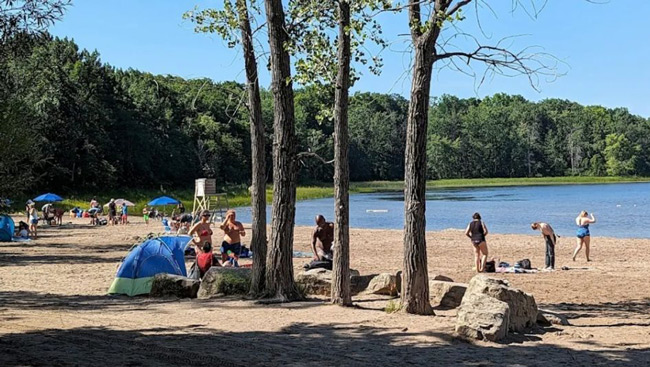
The nautical and active lifestyle
The West Island’s identity is intrinsically linked to water and sports. The presence of Olympic-caliber aquatic complexes (in Pointe-Claire and DDO), prestigious golf courses (such as the Royal Montreal), and historic yacht clubs shapes the high-end real estate market. Owning a property with deeded access to the water or within walking distance of a yacht club places your home in a highly sought-after category.
REALTA's Broker's Tip
When touring homes, don’t just look at the size of the yard. Open a map and locate the nearest access to a nature park or waterfront. A house backing onto a protected wooded area (with no neighbors behind it) or located within a 5-minute walk of an extensive trail network will always sell faster—and for a higher price—than an equivalent property isolated in a maze of streets.
Major nature parks
Cap-Saint-Jacques (and its natural beach), Bois-de-l’Île-Bizard, the Morgan Arboretum (245 hectares of forest), and Bois-de-Liesse offer outdoor facilities on a scale unmatched anywhere else on the island.
Access to prestigious schools: the real driving force behind the family market
In real estate, it’s often said that schools make the neighborhood. In the West Island, this is an undeniable reality. The school system enjoys a reputation for excellence that attracts new families from across Greater Montreal to the West Island every year. It’s an area where school zones (the map delineating which addresses are assigned to which schools) often dictate residential demand.
A comprehensive educational ecosystem, from preschool through college
Primary and secondary sectors (public and private)
The area offers one of the most extensive selections of bilingual and international schools in Quebec. The region is well served by both the Lester B. Pearson School Board (English-speaking) and the Marguerite-Bourgeoys School Service Center (French-speaking). Being located within walking distance of some of the highest-rated elementary schools ensures strong stability in your home’s value.
REALTA's Broker's Tip
Watch out for invisible boundaries! School district boundaries can sometimes split a single street in two. If access to a specific school is your top priority when moving, always carefully verify that the exact address meets the eligibility requirements before signing a letter of intent to purchase, especially when it comes to enrollment rules for English-language schools.
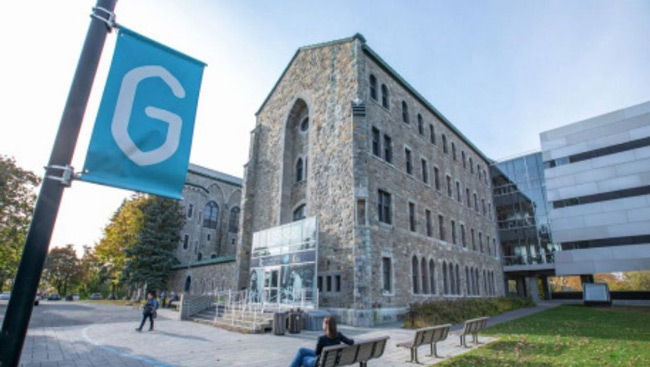
Higher education
The region is home to major institutions such as John Abbott College, McGill University’s Macdonald Campus, and Gérald-Godin College. For families, this means that young adults can pursue higher education without having to move to downtown or rent an apartment—a significant financial advantage.
Mobility and transportation: travel time is the real currency
The main misconception about the West Island is that it’s difficult to get around there. However, for buyers who want quick access to downtown, the airport, Laval, or the Montérégie region, the area offers an extremely efficient transportation network. That said, accessibility varies drastically depending on the municipality, the distance from an Exo station, or the ease of reaching Highways 20 and 40.
In real estate, mobility isn’t just a practical matter—it’s a financial calculation. In the West Island, actual commute time often matters just as much as the price listed on the property listing.
REALTA's advice
Test your commute during rush hour before making an offer. In the West Island, two properties located 2 km apart can mean a 15- to 20-minute difference in travel time by car, depending on their access to Highways 20 or 40. Proximity to a future REM station is also a key factor that should not be overlooked.
A multimodal network tailored to your travel habits

REM: The Market Disruptor
The rollout of the Metropolitan Express Network is currently reshaping the real estate market. Areas like Pierrefonds-Roxboro and Kirkland, historically perceived as isolated or too far from downtown, are seeing their appeal and value skyrocket. Buying near (or within a short bus or bike ride of) a future station is no longer just a matter of convenience: it’s one of the surest strategies for resale and appreciation of the decade.
The highway network (A20 / A40)
The two major highways run through the area from east to west. Your choice of neighborhood (north or south) should depend on which highway you need to take most often for work. This choice will have a direct impact on the price of the house and on your mornings.
Commuter trains (Exo)
The Vaudreuil–Hudson line, which serves the southern part of the region (Dorval, Pointe-Claire, Beaconsfield, Baie-D’Urfé, etc.), remains the historic backbone of commuter travel to downtown. Being “within walking distance of the station” remains a major selling point.
The STM network
Il est très efficace pour les liaisons nord-sud (vers les pôles commerciaux et les futures gares), mais nécessite souvent une voiture en complément pour une vie de banlieue fluide.
REALTA's Broker's Tip
Never make an offer to buy a home in the West Island based solely on Google Maps on a Sunday afternoon. Two properties located just 2 kilometers apart can mean a 15- to 20-minute difference in driving time during rush hour, depending on their access to the Highway 20 or 40 on-ramps. Before signing, always test your commute on a Tuesday or Wednesday morning!
A major economic hub: the end of the “commuter suburb” and a robust market
The West Island is anything but a mere suburb where people simply sleep after working downtown. It is one of the most powerful economic drivers in Greater Montreal. Boosted by the presence of Montreal-Trudeau Airport and a strategic logistics network, the region is home to world-class leaders in cutting-edge fields such as aerospace, pharmaceuticals, and technology.
For a homebuyer or real estate investor, this concentration of major companies (such as Bombardier, Air Canada, Pfizer Canada, Merck, and L’Oréal Canada) provides a solid guarantee of the property’s value:
An optimized lifestyle: it’s entirely possible to pursue a high-level career less than a 15-minute drive from home, thereby eliminating the fatigue associated with commuting to downtown.
Robust residential demand: This large pool of corporate headquarters and industries continually attracts skilled professionals, relocating executives, and expatriate families. This constant turnover generates strong demand (for both home purchases and executive rentals), which helps maintain the value of local real estate even when the broader market experiences slowdowns.
Shopping, culture, and fine living: Experience the West Island to the fullest
The days of battling traffic into downtown Montreal for a nice dinner, a play, or a shopping trip are long gone. Today, the West Island is a complete, self-contained ecosystem. For residents, the appeal is eminently practical: the area offers well-established hubs for dining, entertainment, and socializing close to home, which significantly boosts the region’s appeal to discerning urban buyers.
Lifestyle and Services
The main hub: Fairview Pointe-Claire isn’t just a shopping center—it’s the true nerve center of the West. Its recent transformation and the arrival of the REM station have turned it into a booming real estate market.
The seaside atmosphere: Sainte-Anne-de-Bellevue and its famous Boardwalk offer a unique experience. It’s the perfect spot (and very popular in the summer) for dinner on a terrace by the canal, as boats pass through the locks.
The village vibe: Pointe-Claire Village offers an intimate and authentic atmosphere. Residents from all over the island flock here for its artisanal coffee shops, independent boutiques, and excellent restaurants. Being within walking distance of the Village is a rare privilege that commands a premium on the local real estate market.
A rich and accessible cultural program
Contrary to popular belief, the western suburbs are not a cultural wasteland. Residents enjoy high-quality amenities that enrich community life without the parking hassles of downtown:
The Pierrefonds Cultural Center, a true hub for music, theater, and film.
The Salle Pauline-Julien (on the Cégep Gérald-Godin campus) has been a pillar of Francophone culture for 25 years.
The majestic Stewart Hall Gallery (Pointe-Claire), which overlooks Lake Saint-Louis and hosts superb exhibitions and outdoor concerts in the summer.
(Discover other cultural hotspots in the West Island through its six local centers.)
La Galerie Stewart Hall demeure la référence culturelle du West Island, logée dans l’une des plus belles demeures historiques de Pointe-Claire, avec vue sur le Lac Saint-Louis.
A culinary scene that keeps residents coming back
The West Island has established itself as a major culinary destination. Residents no longer need to cross the Turcot Interchange to enjoy high-end dining experiences or find good comfort food. This culinary buzz is a powerful draw for convincing young urban professionals to settle in the West.
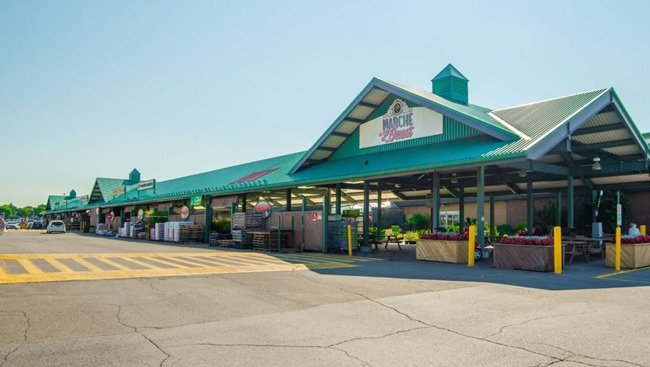
Must-visit foodie hotspots: The Marché de l’Ouest remains a must-stop for food lovers thanks to its fine foods, while Saint-Jean Boulevard (Pointe-Claire) and Des Sources Boulevard (DDO) are home to a concentration of highly popular dining concepts.
Coffee culture: With more than 50 independent roasteries and cafés (Café Gentile, Missy’s Café, Café de Mercanti), neighborhood life has been greatly enriched, recreating the atmosphere of Montreal’s popular streets.
Flavors of the World: The area’s diversity is also reflected on the plate. The West Island is now renowned for being home to some of the city’s best Indian, Korean, and Lebanese restaurants.
A bilingual, inclusive, and multicultural community
The West Island is one of the most bilingual areas in Quebec. In addition to a long-standing English-speaking community, cultural diversity is booming there. French and English are spoken side by side, along with a multitude of other languages, supported by dynamic organizations such as WIMO and WIBCA.
In the real estate market, this open-mindedness makes the West Island a welcoming and reassuring destination for international buyers, relocating expatriates, and families of all backgrounds looking to settle in easily.
Infrastructure for the entire “real estate lifecycle”
The strength of the West Island real estate market lies in the fact that it allows residents to stay there at every stage of their lives, thereby supporting a dynamic and cyclical housing market:
For families: municipal parks, playgrounds, and modern libraries.
For active buyers: extensive networks of bike paths, hiking trails, and sports clubs.
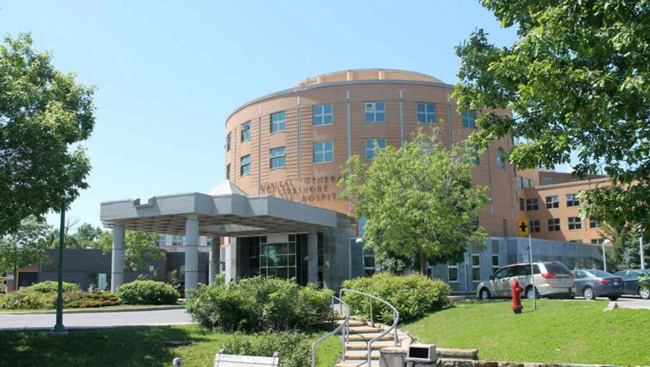
For downsizing: Seniors who sell their large homes don’t have to leave the area. The area offers an excellent network of clinics and hospitals (such as Lakeshore General Hospital), as well as a wide selection of newly built condos and senior-friendly housing.
Why settle in Montreal’s West Island?
The West Island real estate market attracts a wide variety of buyers. Its greatest strength? It still offers a competitive balance of space, high-quality housing, and accessibility—all without having to leave the Island of Montreal.
Let’s be clear: this is neither the cheapest area in the city nor the most homogeneous. However, it is strategically one of the most suitable options for families looking for a single-family home or seeking to protect their investment within an exceptional living environment.
Recent data clearly illustrates this appeal. At the end of 2025, the median price of a single-family home in Pierrefonds-Roxboro ($621,300) or Pointe-Claire ($743,500) remained extremely attractive compared to central Montreal neighborhoods. By comparison, a single-family home cost approximately $935,000 in Ahuntsic-Cartierville and over $1 million in Rosemont–La Petite-Patrie. For a family looking for space, good schools, and convenient access to the city, this value for money is simply hard to beat.
Comparative Analysis: Where Does the West Island Stand?
An analysis of median prices at the end of 2025 (Centris) highlights the diversity of entry points into the Western market:
Entry-level market (under $700,000): Pierrefonds-Roxboro ($621,300) remains the most affordable municipality for first-time homebuyers, while also benefiting from the future impact of the REM.
The mid-range market ($700,000 to $800,000): strategic, family-friendly neighborhoods such as Dorval ($705,750), Pointe-Claire ($743,500), and Dollard-des-Ormeaux ($760,000) make up the core of the single-family home market.
The high-end market ($800,000 and up): Kirkland ($850,000) and Beaconsfield ($917,500) attract an established clientele seeking large, move-in-ready properties in prestigious locations.
(Note: Median condo prices follow the same trend, ranging from $410,000 in Dorval/Pierrefonds to $559,000 in Pointe-Claire, offering excellent options for first-time buyers or those looking to downsize.)
The single-family home: the undisputed queen of the region
In the West Island, the single-family home is not just a real estate category—it’s a way of life. It still accounts for about 60% of the housing stock.
What our Montreal clients are looking for here are those famous “split-levels” or large bungalows built in the 1960s and 1970s (which are very common in Pointe-Claire and DDO). Why the craze? Because unlike new construction, these properties offer mature, spacious lots and, above all, immense flexibility for custom renovation and expansion.
Other buyers will set their sights on the prestigious estates in Beaconsfield, Senneville, or Baie-D’Urfé. Here, the key selling points are different: it is absolute privacy, tranquility, and proximity to the water that drive the purchase.
Although the arrival of the REM is spurring the construction of new condo and townhouse projects (particularly around Fairview and Kirkland), the West Island’s residential identity remains—and will continue to remain—rooted in single-family homes.
REALTA's Broker's Tip
Don’t take statistics at face value! Median prices mask micro-realities that can be very lucrative or costly. For example, in Pointe-Claire or Dorval, the simple line of Highway 20 cuts the market in two: a street located south of the highway (toward the water) can command a premium of $100,000 to $150,000 compared to a similar street located to the north. Your REALTA broker, who is familiar with these invisible boundaries, will make all the difference in ensuring your offer is just right.
Find your home in the West Island with REALTA
Understanding the West Island market through statistics is an excellent first step. But on the ground, the real dynamics often change from one street to the next. A property’s fair market value fluctuates based on micro-local factors that algorithms can’t capture: whether it falls exactly within the catchment area of a prestigious school, the actual walking distance to the waterfront, or the noise impact of an air corridor or major road depending on wind patterns.
At REALTA, our role isn’t just to open doors for you, but to provide clear guidance. By balancing your budget, your practical transportation needs, and your vision for family life, we help you navigate these local nuances.
Let us guide you through the process with confidence, so that your next real estate decision is not only well-informed but also perfectly aligned with what you’re truly looking for in the West Island.

- Montréal Ahuntsic-Cartierville
- Montréal Côte des Neiges Notre-Dame-de-Grâce
- Montréal Lachine
- Montréal le plateau Mont-Royal
- Montréal le Sud-Ouest
- Montréal Outremont
- Montréal Rosemont – La Petite-Patrie
- Montréal Verdun – Île des Soeurs
- Montréal Ville-marie
- Montréal Villeray Saint-Michel Parc-Extension
- Town of Mount Royal
Frequently Asked Questions (FAQ): West Island Real Estate
Which neighborhood in the West Island offers the best value for a first-time homebuyer in 2026?
If you’re on a tight budget, consider Pierrefonds and Roxboro. Historically more affordable than southern towns (such as Pointe-Claire or Beaconsfield), these areas currently offer strong potential for appreciation thanks to the imminent arrival of the REM stations. This is the strategic choice of the decade for first-time homebuyers.
Property taxes: Is it better to buy in a former municipality or in a Montreal borough?
That’s an excellent question, because the calculation isn’t straightforward. An independent town (like Beaconsfield) often has a lower tax rate (the percentage) than a Montreal borough (like Pierrefonds). However, since home values in Beaconsfield are significantly higher, the final amount of your tax bill will generally be higher. We’ll always help you calculate this impact during your search.
Is it realistic to live in the West Island without owning a car?
Let’s be honest: although the REM is set to revolutionize travel to downtown Montreal and the airport, everyday life in the West Island is still designed around the car. Grocery shopping, taking the kids to soccer practice, or heading to nature parks is a hassle by bus. Plan to budget for at least one vehicle per household.
Buying a condo near future REM stations: Is it a good short-term investment?
Yes, it is currently one of the safest investments on the market. Direct and quick access to downtown eliminates the region’s main historical drawback. This new mobility ensures strong rental demand (for investors) and excellent preservation of resale value (for owner-occupiers).
What is the actual impact of aircraft noise (Montreal-Trudeau Airport) on home values?
The noise impact is real, but it is very limited. It is concentrated mainly along active flight paths, primarily affecting certain areas of Dorval, eastern Pointe-Claire, and southern Saint-Laurent. Outside of these specific routes, the vast majority of the West Island is completely undisturbed by air traffic. That is why your REALTA broker’s micro-local knowledge is essential before making an offer.
Why is the West Island so expensive compared to the suburbs in the Northern or Southern Crown?
Parce que vous achetez le meilleur des deux mondes : l’espace d’une banlieue avec les avantages fiscaux, les services et la proximité d’une adresse située sur l’île de Montréal (donc sans pont à traverser au quotidien). Ajoutez à cela un réseau scolaire bilingue d’élite et de vastes espaces verts protégés : cette rareté explique la résilience et le niveau des prix.